Tap an image to enlarge. Tap the “x” in upper right to return.
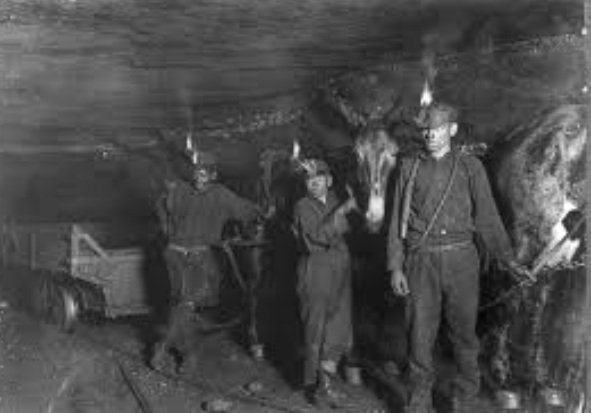
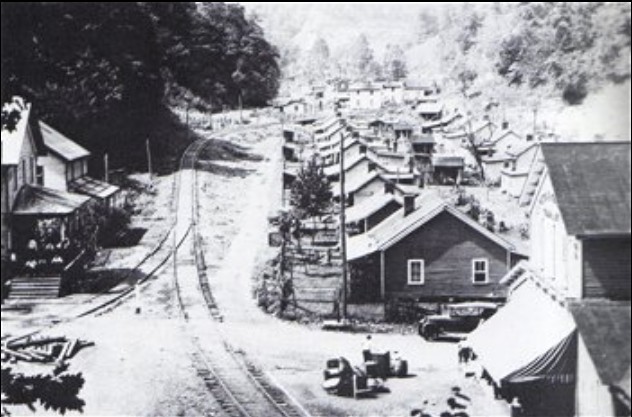
Cabin Creek, West Virginia in the 1920s – a coal mining town
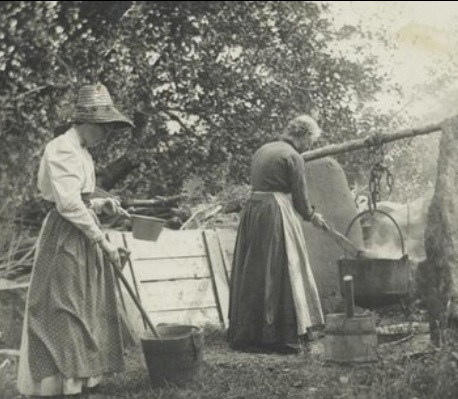
My mother, Clarabelle, was one of four children born to Bill & Ida Holston in the coal mining town of Cabin Creek, West Virginia in 1918. Raised in the black dust of survival in the shadow of the mines — she was the genuine article — a real coal miner’s daughter. Her father along with legions of coal company men, guided by their miner’s lamps, went deep into the tunnels with the black seams every morning. For those men their work was a daily negotiation between gravity and death. Before the process was mechanized, coal was tediously loosened with picks and augers and the danger of collapse always loomed. The mine didn’t stop at the pit. It came home in the clothes — black, oily, ground-in. Wash day meant lye soap, boiling kettles, and hands rubbed raw on a washboard. The water turned pitch black. The clothes never got clean — just less black and by morning they were back underground again. I can only surmise — that my mother played a part in that.
She was one of her generation who believed escaping that grim existence was possible. Among her traits were beauty, grit, ambition and a mega watt smile. In the 1930s during the height of the Great Depression, she escaped the black seams venturing north to Detroit in search of a better life.
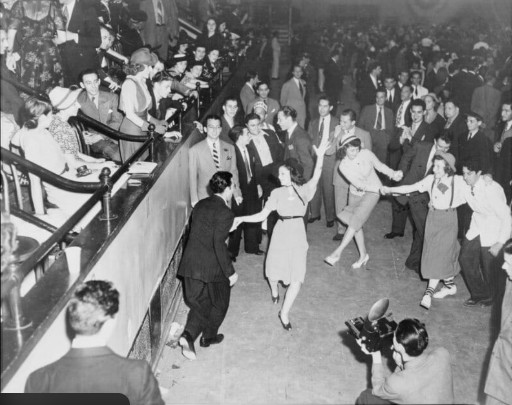
She found work as a dime-a-dance girl also known as a taxi dancer in one of the many downtown Detroit dance halls of the time — where men of the Depression era, many of whom were out of work but with a few dimes to spare, could borrow a dream for a couple minutes at a time. That’s where she met my father, George Van Lokeren, the only son of Belgian immigrants who came through Ellis Isand in 1906.
Generally speaking this was not his world but he was there that night and it would change his life.
The smoky haze in the hall blurred everything — except her. In that moment, the crowded hall seemed to still. It was like the noise fell back and there she was. Something inside him engaged, caught, held. Her easy laugh. Her soft, kind, lilting, southern accent and her sweet vulnerability put a spell on him. He didn’t believe in destiny, not then, not with the world the way it was, but the moment she turned toward him he felt something lock into place. He didn’t know it yet, but that first look would grow into a whole life: five kids, a small business empire, a future he’d never dared to imagine.
It wasn’t long before he returned to see her at the hall but she had packed up and returned to West Virginia. He was stunned and in disbelief. There was only one thing to be done. He knew enough about her to be able to reconnect. He found her back home among the coal seams and log cabins, and there, between two worlds, their story began.
In short order they were joined in Michigan as partners — in business and in love. They built a life brick by brick, deal by deal, child by child. Five children followed, and together they climbed out of the Depression to become prosperous — in real estate, restaurants and furniture and carpet retailing.
And many years later came the mansion.
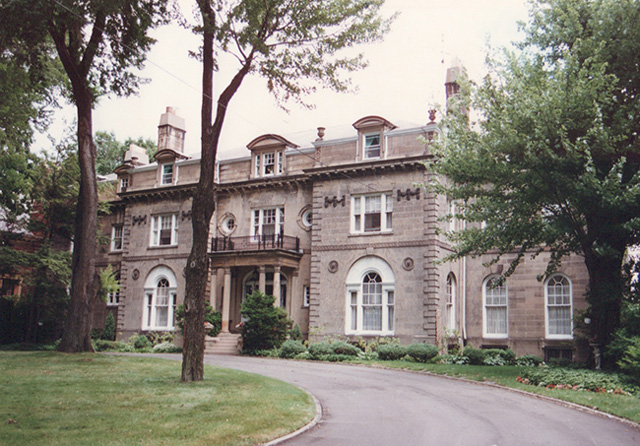
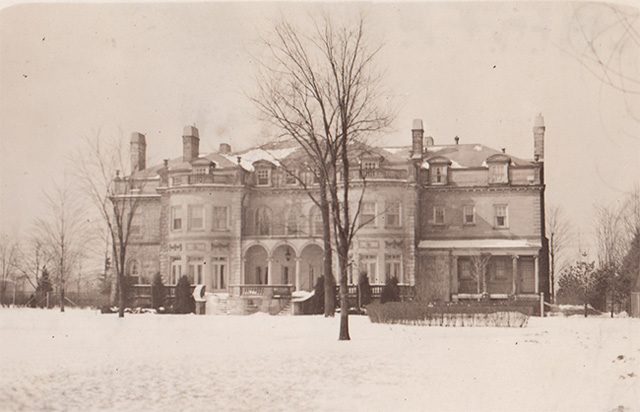
It appeared like something out of a fairy tale, only written by the Internal Revenue Service. A mansion with forty-five rooms on Lake St. Clair in Grosse Pointe Park, once owned by someone who had flown too close to the sun–that had been seized by the federal government for unpaid income taxes. At the 1966 IRS auction, my parents were the highest bidders. The coal miner’s daughter and the Detroit hustler had outbid everyone!
That mansion became her kingdom — not just a home but a refuge, an identity forged in brick and bloom. She filled every room with color, texture, and life. The place glowed with her taste: chandeliers in the grand 45 foot high foyer and in the elegant french provincial dining room, velvet drapes, fabulous furniture, accented wall colors, library murals and the like. Around the home she planted her own pretty gardens of mums, geraniums, azaleas and rhododendrons.
It was a triumph over adversity.
Because behind the beauty was pain. She fought breast cancer with the same quiet ferocity she’d used to escape the mines. Two radical mastectomies in five years, each one a battle waged behind closed doors. She wore her dignity like armor, never once surrendering to pity. The mansion was her therapy, her reclamation of control. If her body betrayed her, her home never would.
She had ten wonderful years in the mansion before she passed. She was too young, too full of unfinished dreams. But she died surrounded by what she built — proof that a coal miner’s daughter could rise from soot to sunlight.
After her death, my father couldn’t bear the echoes. He sold the mansion in the late 70s to a world renowned hand surgeon.
Years passed. Decades, even. Then, during a visit back to Michigan, I learned who had ended up with Clarabelle’s mansion: Richard Manoogian, CEO and Chairman of Masco Corporation, and his wife Jane, who appeared on the 2005 Forbes 400 list with a net worth exceeding a billion dollars—an amount that barely raises an eyebrow in today’s age of tech multibillionaires.
What struck me was not their wealth, but what I was told about their character—that they were kind, grounded, down to earth people.
Sometimes I drive by the property. The mansion still stands unlike the scores in the Grosse Pointes that have been razed over the years for higher density development; majestic and unbothered, gazing out over the lake. I can almost see her there — my mother — standing at the french door windows, hand on a cascading velvet drape, gazing out at that big, beautiful lake she had landed on. She had earned every inch of that view.
In the end, she didn’t just leave behind a mansion; she left a legacy of possibility, strength and defiance. She proved that beauty can defeat hardship, that a coal miner’s daughter can decorate the world with her will, and that sometimes the truest measure of success is the audacity to claim it.
15520 Windmill Pointe, Grosse Pointe Park, Michigan on Lake St. Clair (front and rear views)
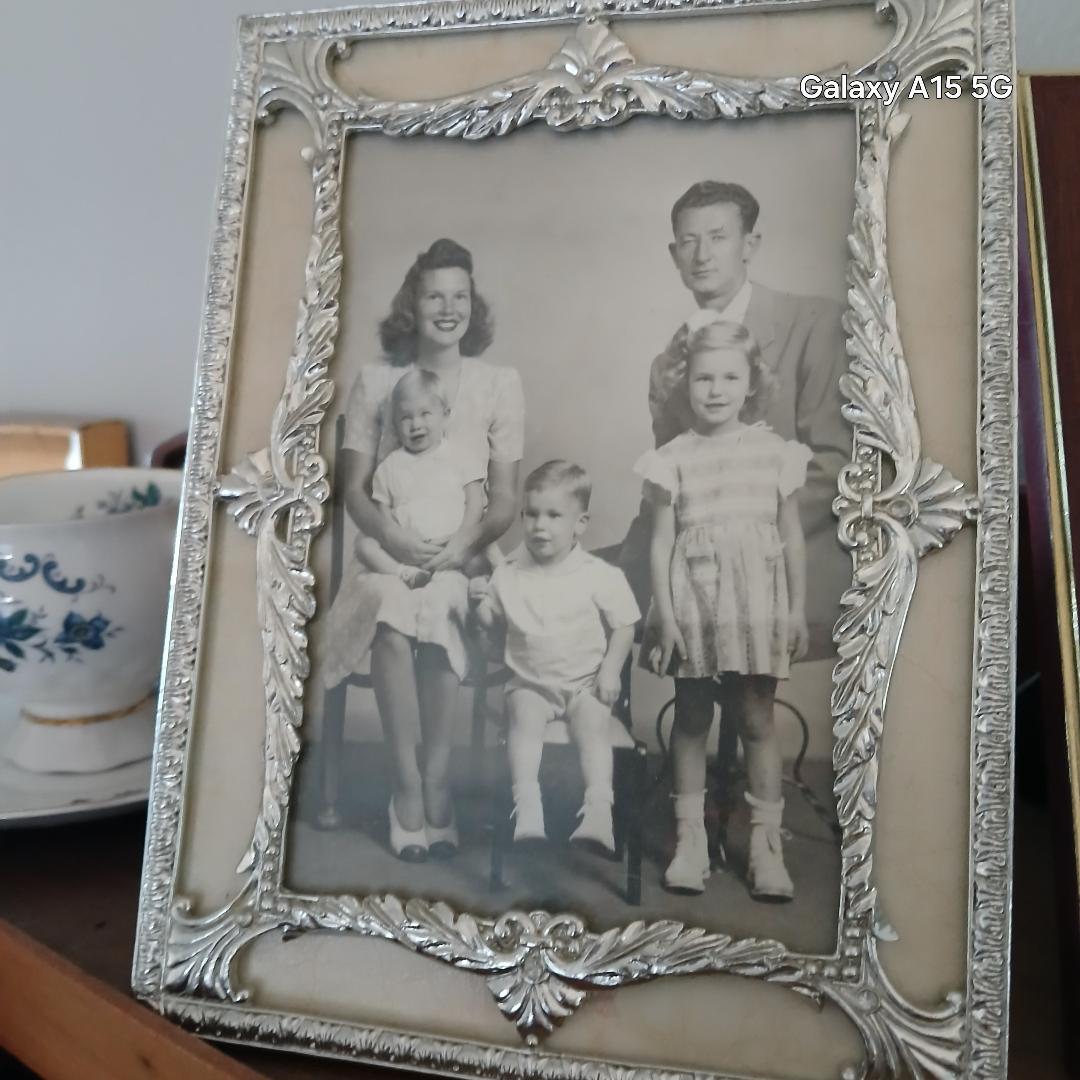
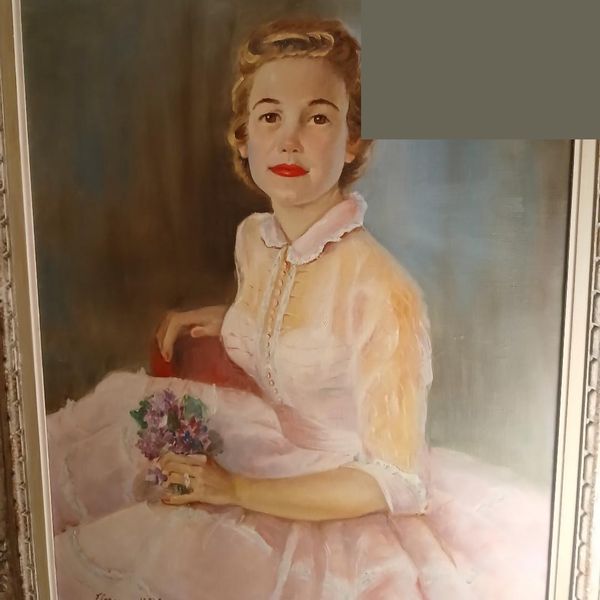
George & Clarabelle Van Lokeren with kids, David (on lap) Michael & Vickie/the only portrait ever painted of Clarabelle.
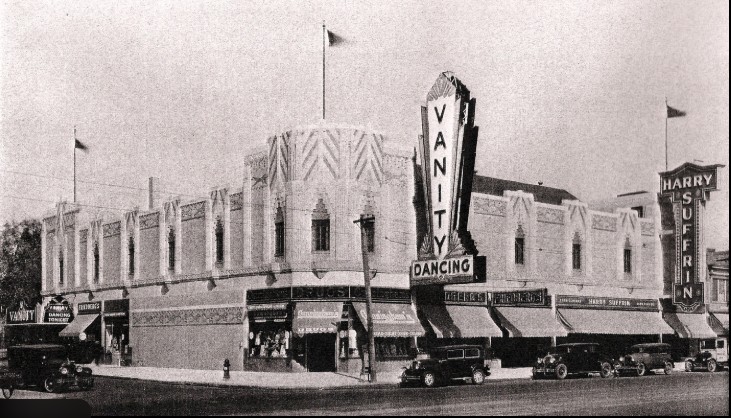
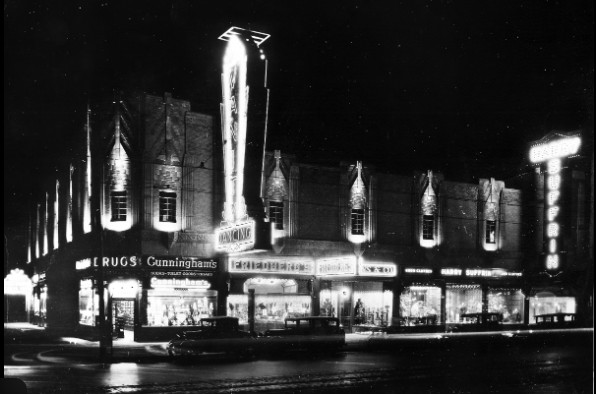
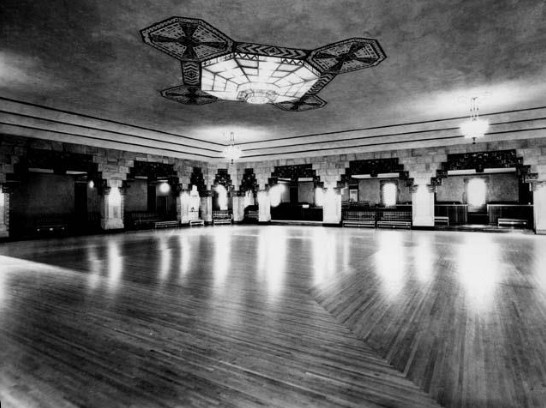
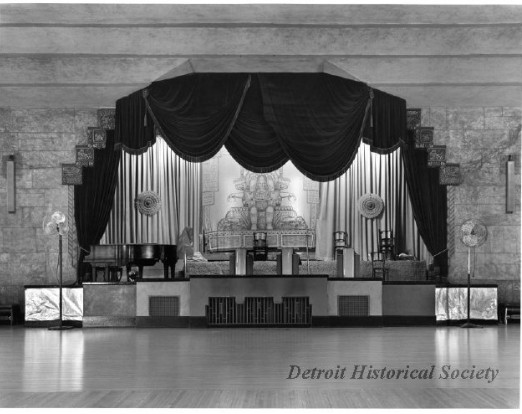
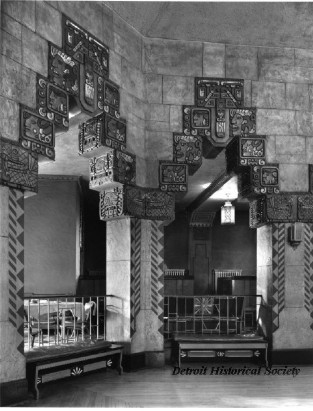
Many years later my father purchased the at one time famous Vanity Ballroom on the East Side of Detroit on Jefferson Avenue. The area had deteriorated to such an extent that he picked it up for a song. It had been mothballed to protect it’s integrity. He believed that area of Detroit would one day have a Renaissance. He was right but he didn’t live to see it. That area of Detroit is only now on the way back.
The Vanity opened in 1929 but it was not a dance hall for taxi dancers it was the real deal – a place where people stepped out on the town for an exquisite evening. It was a big band place that featured the likes of Duke Ellington, Benny Goodman, Tommy Dorsey, Cab Calloway and other greats. It makes me smile; my father meets my mother in a taxi dance hall and then years later buys the formerly world renowned Vanity Ball Room that carried it’s own remarkable dance history.