Of the hundreds of people I knew growing up in Grosse Pointe, I never came across a Southern belle—except my mother.
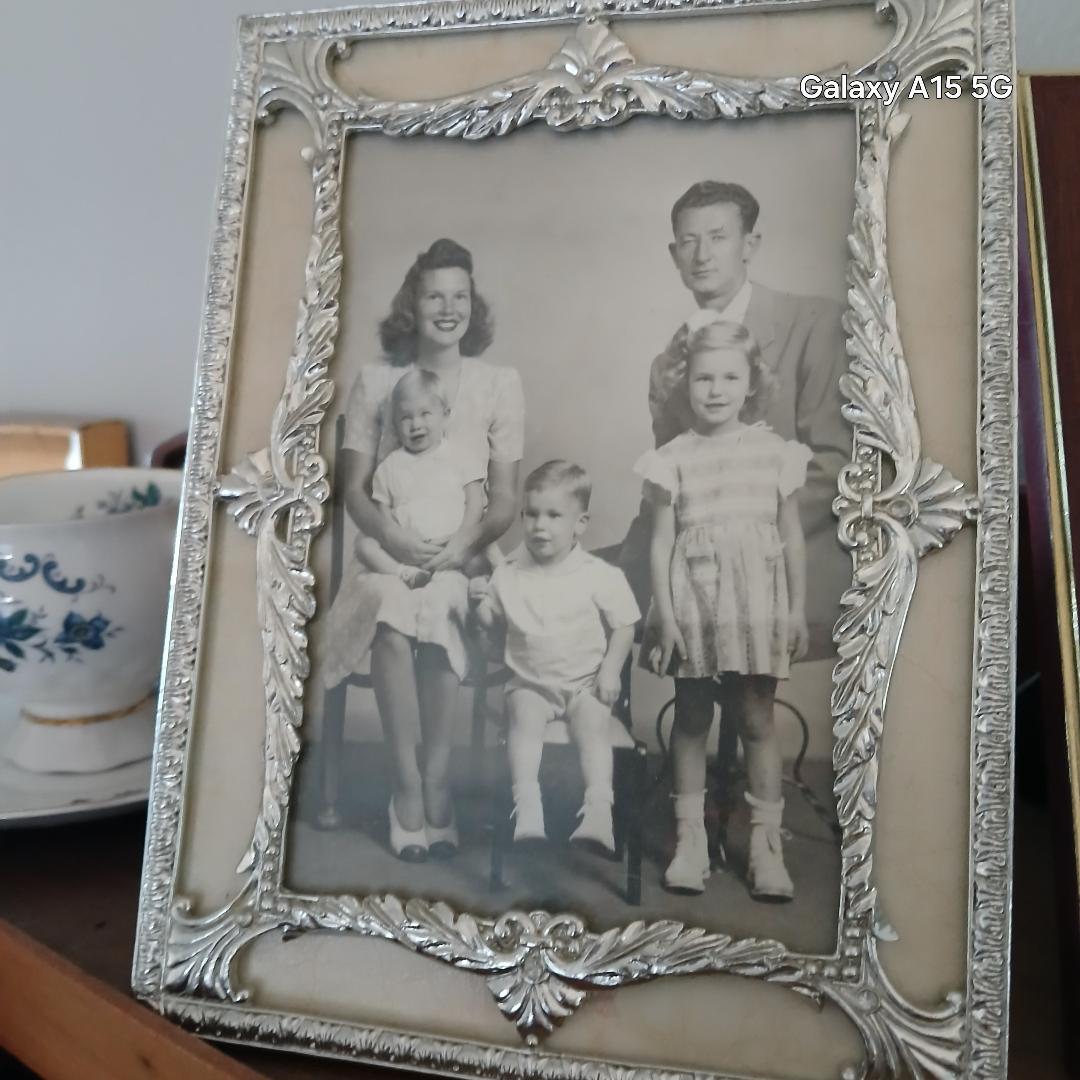
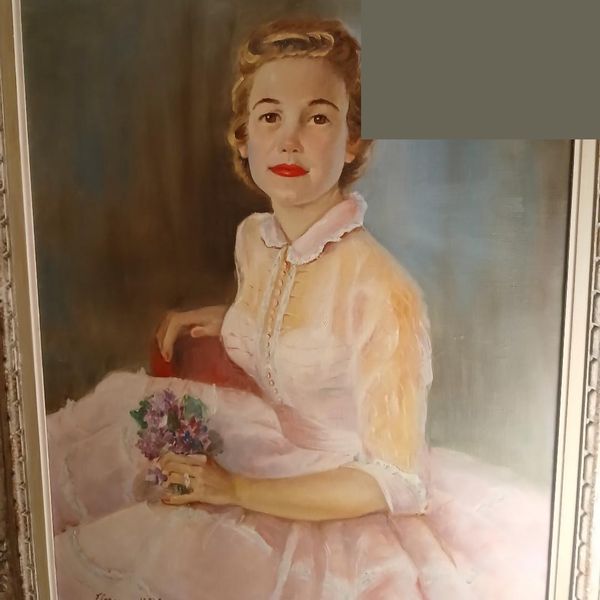
My mother, Clarabelle Holston, was just that.
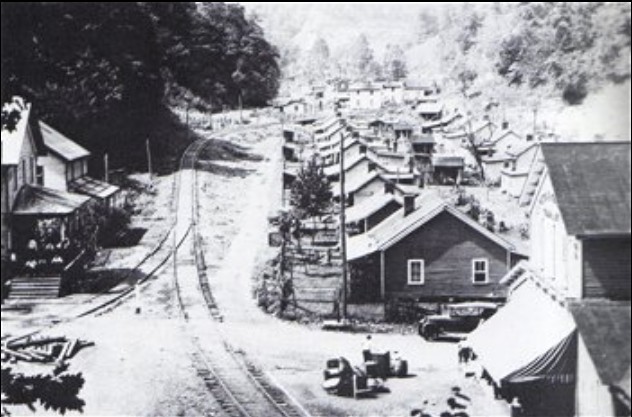
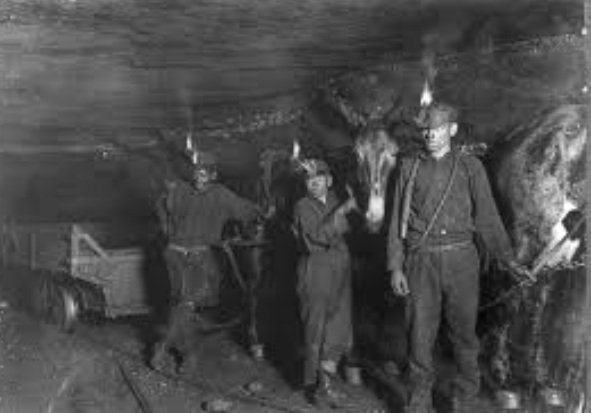
She was one of four children born to Bill and Ida Holston deep in the hills of West Virginia—in a coal mining town, a holler called Cabin Creek. Born in 1918, she was raised in a company town in the shadow of the mines—the genuine article, a coal miner’s daughter. Her father, along with the other company men, strapped on their miner’s lamps and ventured into the black seams each day, separating coal from layers of shale and limestone.
Those seams had been formed 300 million years earlier, from ancient swamp forests buried and compressed long before dinosaurs roamed the earth.
Before mechanization in the 1920s and ’30s, coal was loosened by hand—picks, shovels, augers—and hauled out by mules pulling carts. And the mine didn’t stop at the shaft.
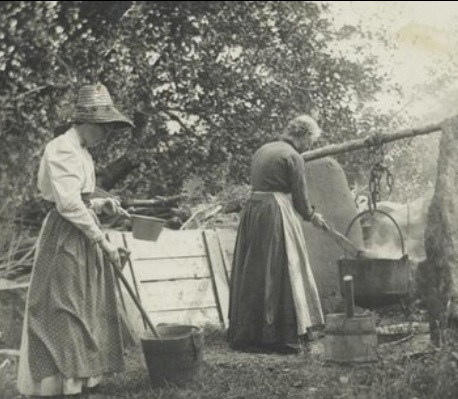
When the whistle blew, the men emerged with soot-caked faces—only the whites of their eyes visible—their denim work clothes black, oily, ground-in. Wash day meant lye soap, boiling kettles, and washboards. The water turned pitch black. The clothes never came clean—only less black. By morning, they were back underground again.
I have a hunch it was a family enterprise. My mother likely carried her share of that burden.
She was one of many in her generation determined to escape.
With her Swedish and Native American ancestry, she had a striking beauty to match her Southern accent and charm. In the 1930s, in the depths of the Great Depression, she headed north to Detroit in search of something better.
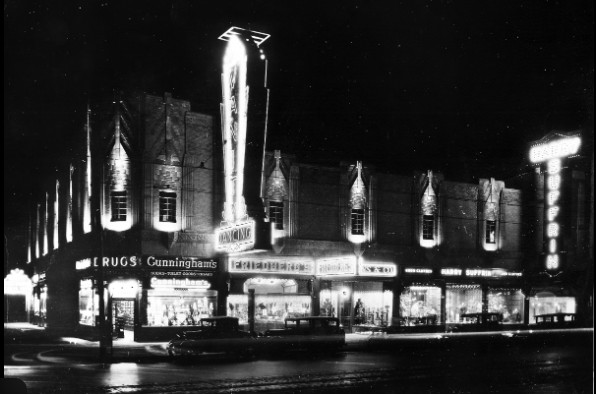
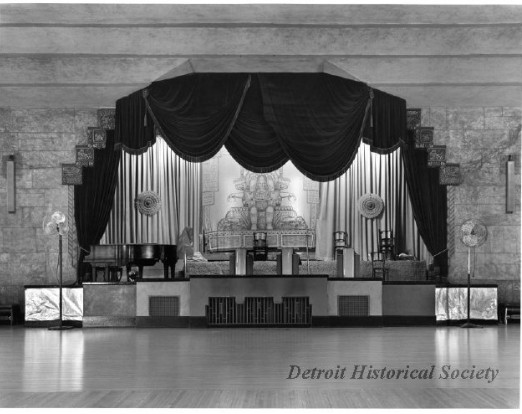
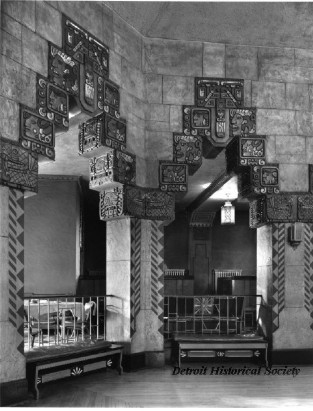
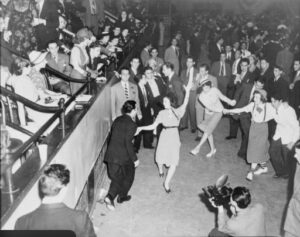
She met my father, George Van Lokeren, at one of the many dance halls that sprang up across the country during that era—places where, for the price of a cheap ticket, people could forget unemployment, poverty, and uncertainty for a few hours. There was music. There was laughter. There was possibility.
My father—the only son of Belgian immigrants who had arrived through Ellis Island in 1906—was smitten.
And so was she.
They fell fast. There was no hesitation, no slow burn—they moved straight into building a life. She returned briefly to West Virginia to close out one chapter. My father followed to meet her family. Then they came back north and got to work.
They settled on Detroit’s east side, eventually moving to Grosse Pointe Park in the 1950s. Five children followed, along with a string of small business ventures. Furniture. Carpeting. A chain of four diners across the greater Detroit area.
They started small. They grew.
The first piece of furniture they ever sold was displayed in the window of the storefront they lived above with a phone number to call.
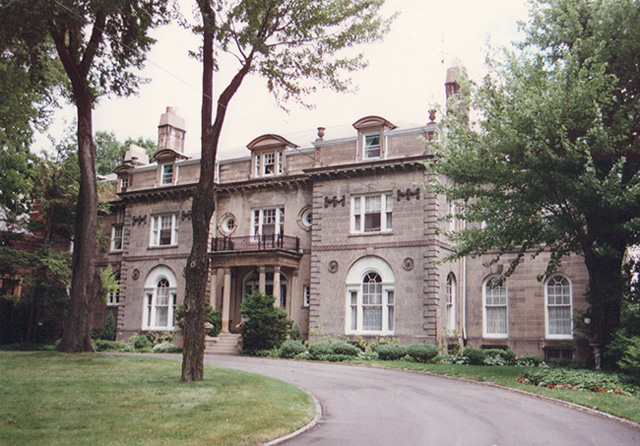
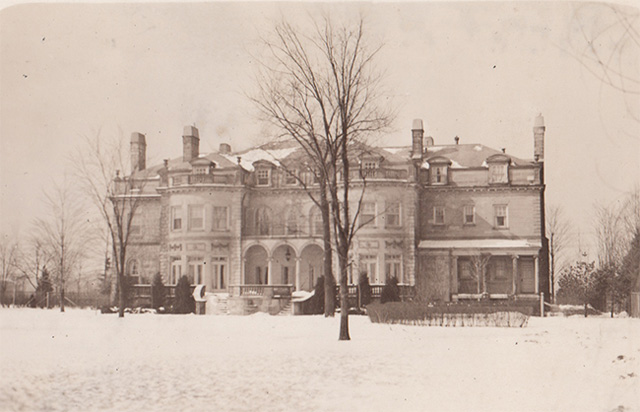
And many years later—came the mansion.
It looked like something out of a fairy tale—only written by the Internal Revenue Service.
A forty-five-room mansion on Lake St. Clair in Grosse Pointe Park, once owned by a man who had flown too close to the sun, seized by the federal government for unpaid taxes. At a 1966 IRS auction, my parents were the highest bidders.
The coal miner’s daughter and the Detroit hustler had outbid everyone.
The mansion became her kingdom—not just a home, but a refuge.
She filled all 45 rooms with color, texture, and life. A massive brass chandelier hung in the forty-foot high foyer; an elegant crystal one lit the French provincial dining room. The house was adorned with an abundance of carved woodwork in the form of moldings, trim, fireplaces and doors which gave it warmth. It didn’t really feel like a mansion after my mother’s touch. It felt like a home.
She hung thick, luxurious, floor-length drapes with deep folds, around the many sets of French doors leading out to the large veranda overlooking the lake, framing the lake like a painting. Her furniture softened the edges. New carpeting grounded the rooms. Her palette brought warmth to the many rooms and sweeping spaces.
Each room became quietly, unmistakably hers.
Outside, she planted gardens—mums, geraniums, azaleas, rhododendrons—small bursts of color against the scale of it all.
It was a triumph over adversity.
Because behind the beauty was pain.
She fought breast cancer with the same quiet ferocity she had used to escape the mines. Two radical surgeries in five years. Battles waged privately, without spectacle. She wore her dignity like armor and never surrendered to pity.
The mansion became her therapy—her reclamation of control.
If her body betrayed her, her home never would.
She had ten years there—from 48 years old to 58.
Too young. Too much left undone.
But she died surrounded by what she had built—proof that a coal miner’s daughter could rise from soot to sunlight.
After her death, my father couldn’t bear the echoes. He sold the house in the late 1970s to a hand surgeon with a large family.
Years passed. Decades.
On a return visit to Michigan, I learned who eventually owned the house: Richard Manoogian, CEO and Chairman of Masco Corporation, and his wife Jane, who appeared on the Forbes 400 list in 2005 with a net worth exceeding a billion dollars.
But what struck me wasn’t their wealth.
It was what I was told about them—that they were kind, grounded people.
Like my parents.
Sometimes I still drive by.
The mansion still stands—unlike so many in the Grosse Pointes that have been torn down for higher density housing and profit—still facing the lake, still holding its ground. Majestic. Unbothered.
And I can almost see her.
Standing at the French doors, hand resting on a cascading drape, looking out over Lake St. Clair—the water she had reached, against all odds.
She earned every inch of that view.
In the end, she didn’t just leave behind a mansion.
She left a legacy—of possibility, strength, and defiance.
She proved that grit can outlast hardship, that a coal miner’s daughter can shape the world to her will, and that the truest measure of success is having the audacity to claim it.